
Built for kentucky & Tennessee Weather Conditions
Exterior Materials That Protect Your Home- Not Just Look Good
Choosing the right roofing, siding, gutter, and window materials impacts durability, storm resistance, energy efficiency, and long-term cost. We help homeowners across Kentucky and Tennessee compare options honestly- so you can make the right choice for your home and budget
Exterior Material Options We Install
Every exterior system serves a specific purpose, and material choice directly affects performance, maintenance, and long-term value. Below are commonly used material options for roofing, siding, gutters, and windows—along with guidance to help determine what works best for your home, budget, and storm exposure.
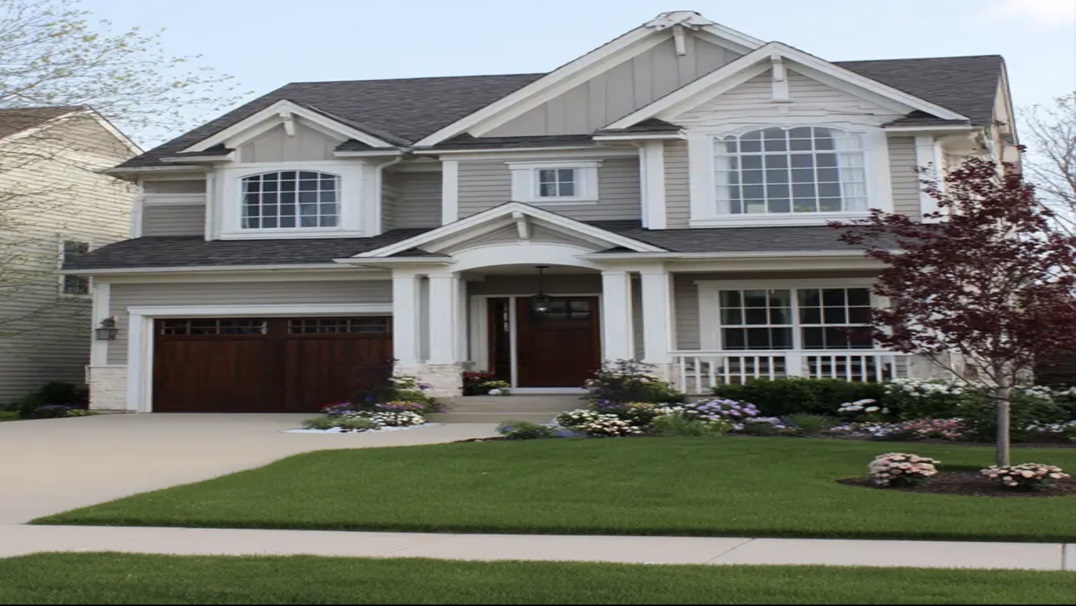
Roofing Materials
Compare asphalt shingles, impact-resistant roofing, and metal options designed for storm protection.
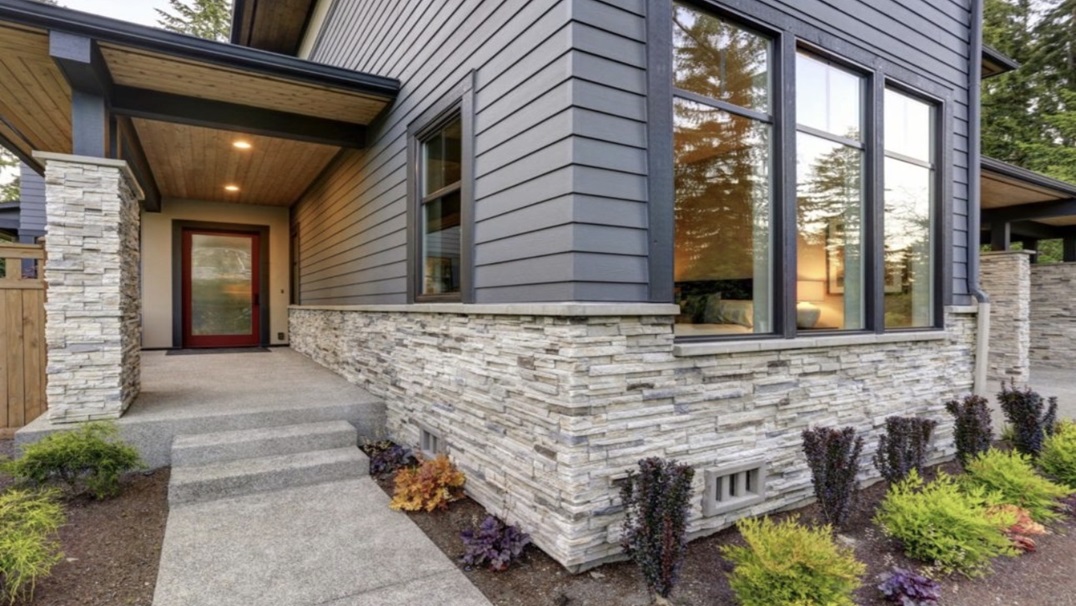
Siding Materials
Explore vinyl, fiber cement, and engineered siding built for durability, and curb appeal.
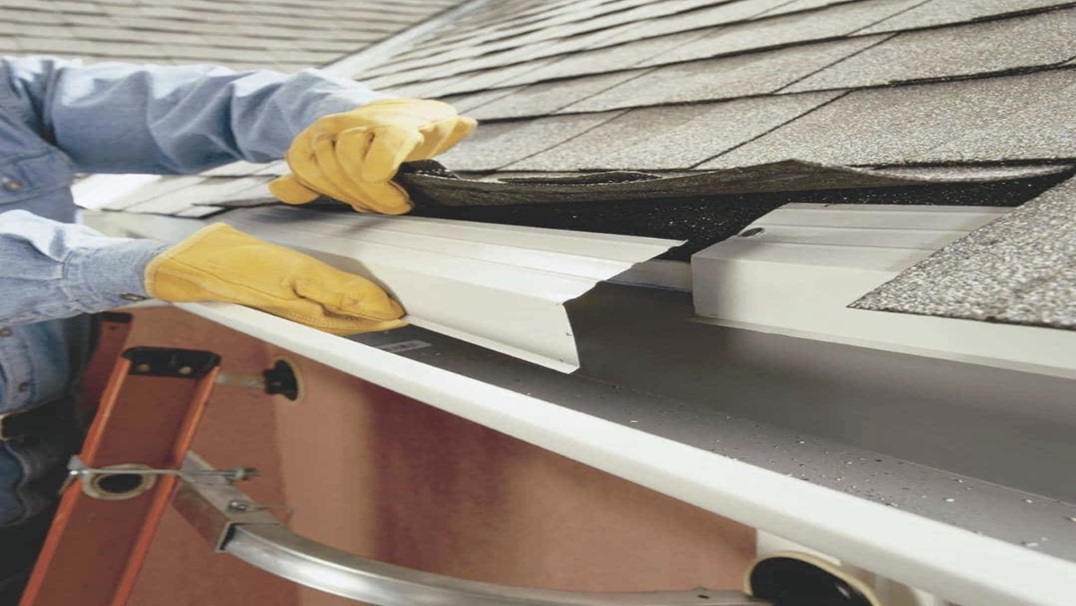
Gutters Systems
Learn how seamless aluminum, oversized gutters, and guards protect your foundation.
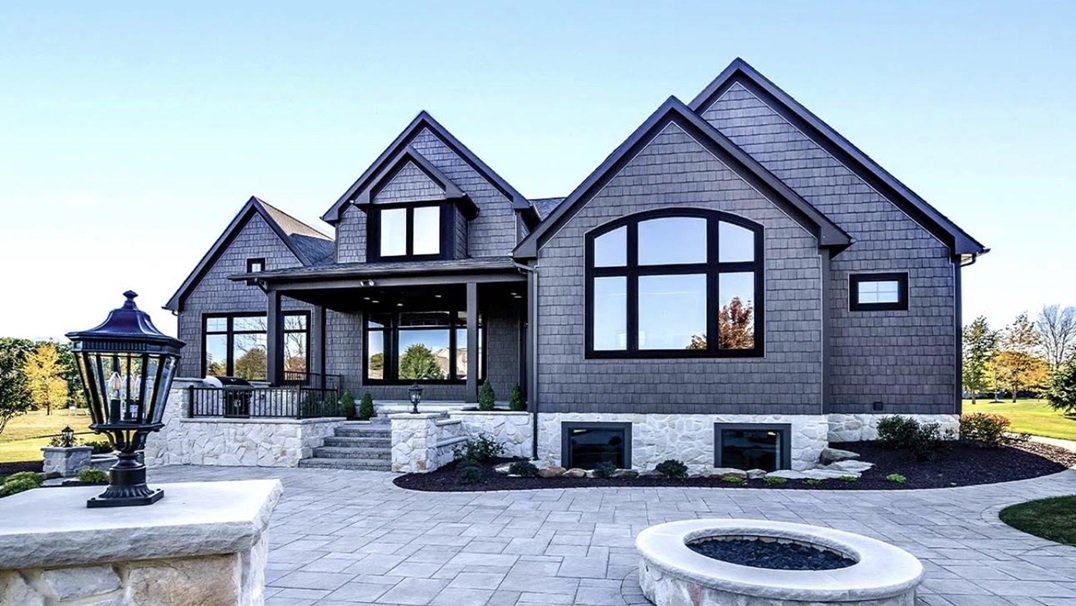
Window Materials
Compare frame types and glass packages designed for energy efficiency and weather resistance.
Roofing Materials
Your roofing material plays a major role in storm protection, insurance performance, energy efficiency, and long-term maintenance. Homes across Kentucky and Tennessee face frequent wind, hail, and heavy rain, making material selection especially important for durability and lifespan.
Common Roofing Materials Options
Roofing materials vary widely in appearance, lifespan, and performance. While the options below represent some of the most commonly used roofing materials in our region, they are not the only choices available. During an inspection, we evaluate your home’s structure, budget, and long-term goals to recommend the best material options for your specific situation.
Asphalt Shingles
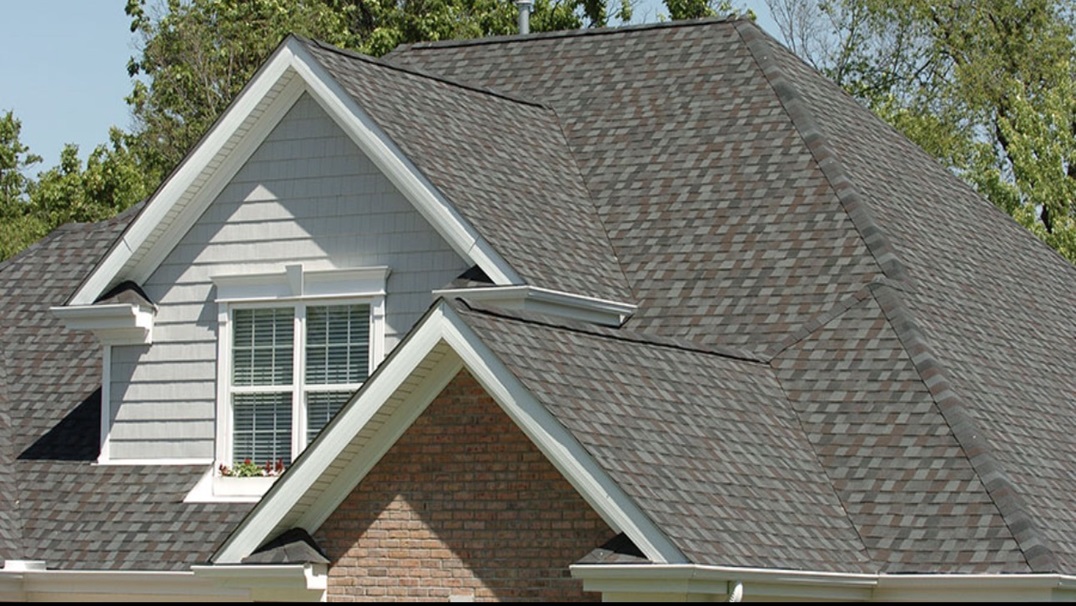
Asphalt shingles are the most common residential roofing material due to their affordability and versatility. They work well for most home styles and are ideal for homeowners looking for reliable protection with a lower upfront investment.
Metal Roofing
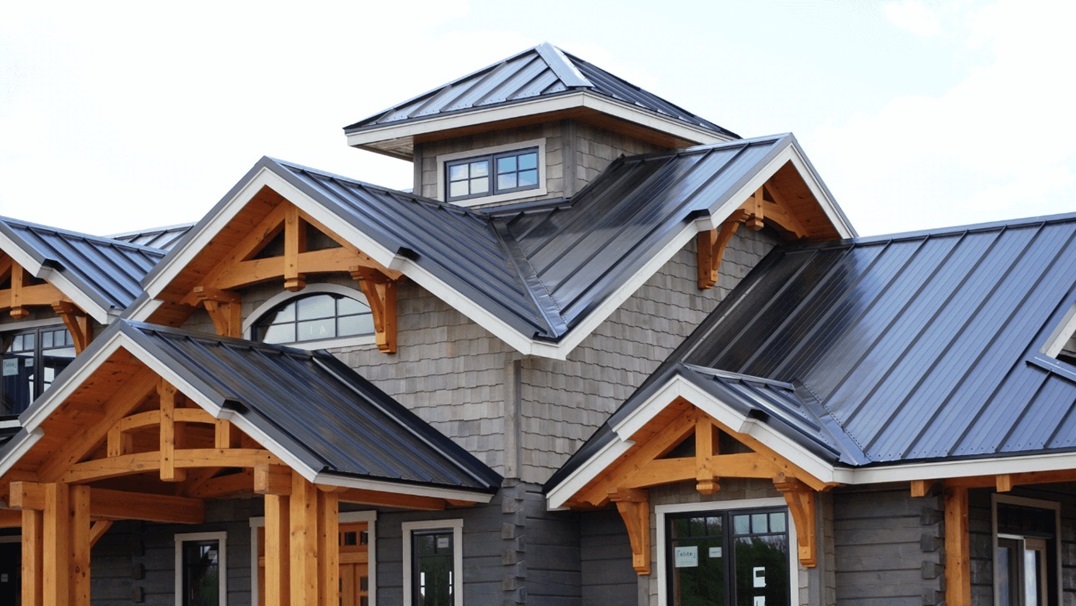
Metal roofing offers exceptional durability and resistance to high winds and hail. It’s best suited for homeowners seeking long-term performance, energy efficiency, and minimal maintenance in storm-prone areas.
Impact-Resistant Shingles
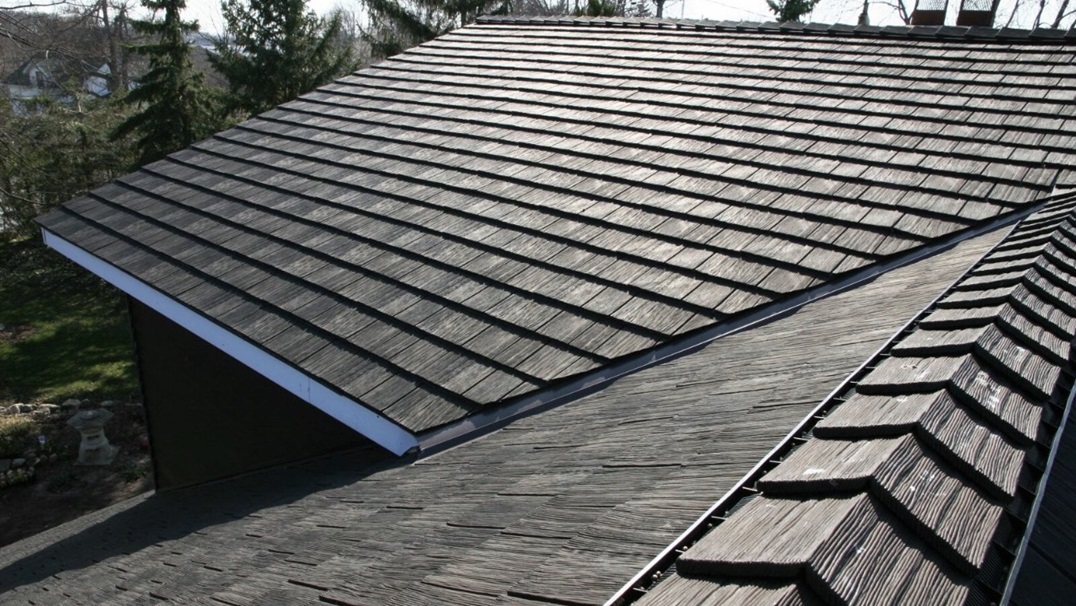
Impact-resistant shingles are engineered to withstand hail and debris strikes better than standard shingles. They’re a strong option for homes in high-risk storm zones and may help reduce future repair needs.
Roof Material Cost, Pros & Cons
Roofing materials vary widely in durability, appearance, cost, and storm resistance. Choosing the right option depends on your home’s exposure to wind and hail, roof slope, budget, and how long you plan to stay in the home.
Asphalt Shingles
Pros:
• Affordable and widely available
• Good performance for most homes
• Easy to repair and replace
Cons:
• Shorter lifespan than premium options
• Can be vulnerable to hail without impact ratings
Metal Roofing
Pros:
• Excellent wind and hail resistance
• Long lifespan
• Energy efficient
Cons:
• Higher upfront cost
• Repairs can be more specialized
Impact-Resistant Shingles
Pros:
• Designed for hail-prone areas
• May qualify for insurance discounts
• Stronger than standard shingles
Cons:
• Higher material cost
• Limited style availability compared to standard shingles
How We Help You Choose (Roof)
We evaluate roof slope, ventilation, storm exposure, and long-term cost expectations. Our goal is to recommend roofing materials that balance protection, lifespan, and budget — without pushing unnecessary upgrades. Choosing the right roofing material is only part of the process. Learn more about our full roof replacement and roof repair services to see how we install and protect your roof from start to finish
Licensed & insured • Local crews • No-pressure inspections
Which roofing material is best for hail in Kentucky and Tennessee?
Impact-resistant shingles and metal roofing perform best in hail-prone areas common across KY and TN.
Is metal roofing worth the cost?
For homeowners planning to stay long-term, metal roofing offers durability, energy efficiency, and lower lifetime maintenance.
Have more questions about roofing materials?
Visit our full Roofing FAQs page for detailed answers.
Siding Materials
Siding protects your home from moisture, wind, and temperature changes while defining curb appeal. Choosing the right siding material helps reduce maintenance, improve insulation, and prevent long-term exterior damage.
Common Siding Materials Options
Siding materials differ in durability, maintenance requirements, and visual style. The materials shown here are frequently chosen by homeowners, but every property is different. We consider factors like climate exposure, home design, and desired upkeep when helping you select the siding material that makes the most sense for your home.
Vinyl Siding
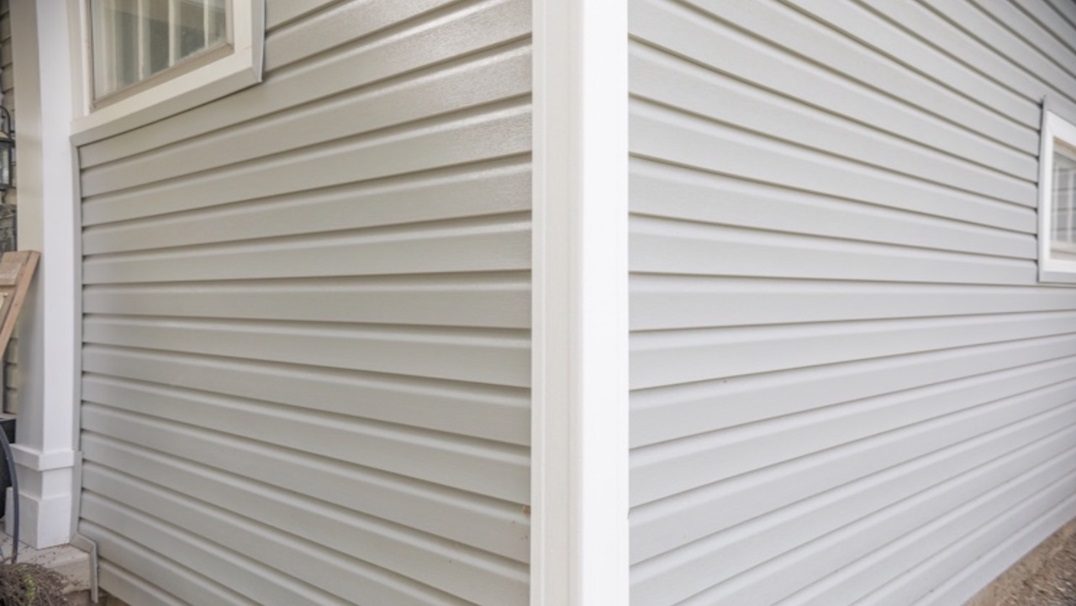
Vinyl siding is a popular choice for homeowners seeking low maintenance and affordability. It performs well in moderate climates and is best for those wanting a clean appearance without frequent upkeep.
Fiber Cement
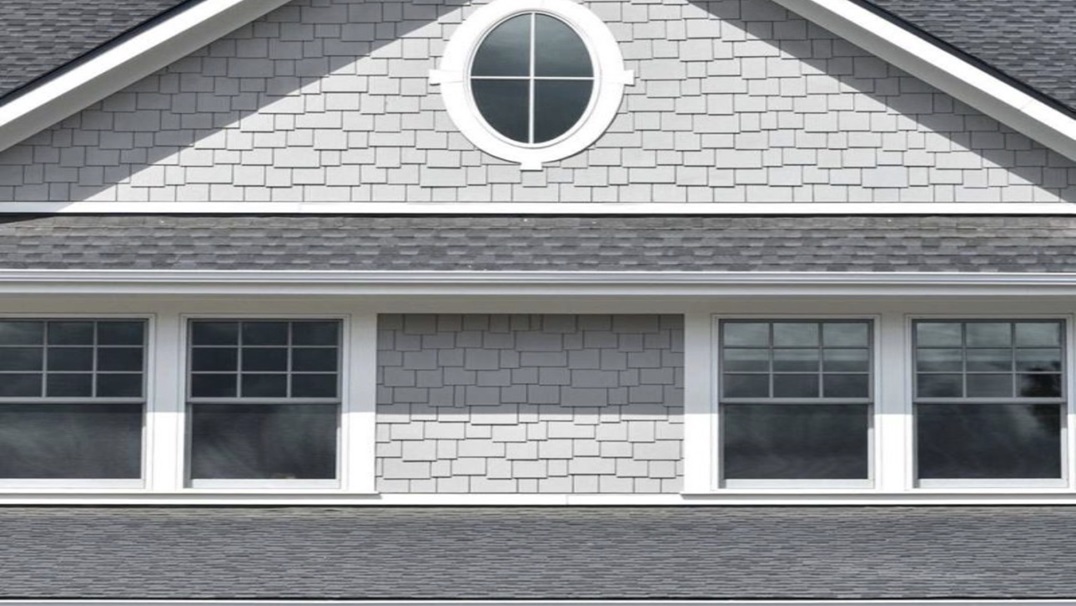
Fiber cement siding is designed for durability and weather resistance. It’s ideal for homes exposed to strong winds, moisture, and temperature fluctuations, offering long-term protection with minimal wear.
Engineered Wood
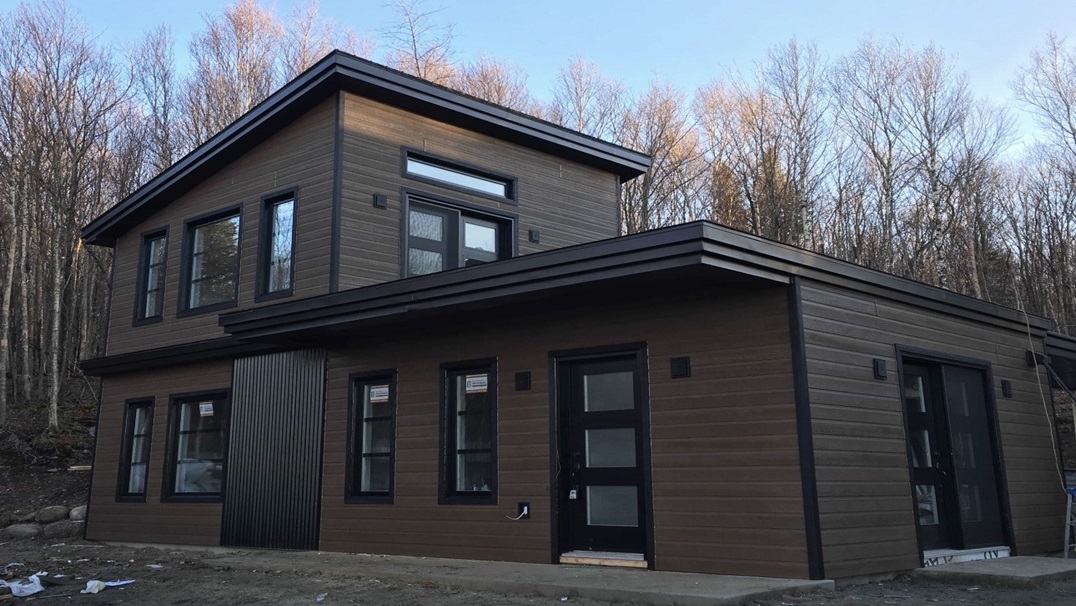
Engineered wood siding provides a natural wood appearance with improved resistance to moisture and pests. It’s a good option for homeowners who want aesthetic appeal with better durability than traditional wood.
Siding Material Cost, Pros & Cons
Siding material costs depend on the type of material, durability, maintenance requirements, and overall lifespan. Some siding options offer a lower upfront investment, while others provide increased longevity and resistance to wear. Comparing pros and cons helps homeowners balance appearance, protection, and long-term value when selecting siding materials.
Vinyl Siding
Pros:
• Cost-effective
• Low maintenance
• Wide range of colors
Cons:
• Less impact resistant
• Can crack in extreme cold
Fiber Cement
Pros:
• Extremely durable
• Fire and moisture resistant
• Long lifespan
Cons:
• Higher installation cost
• Heavier material
Engineered Wood
Pros:
• Natural wood appearance
• Better moisture resistance than traditional wood
• Mid-range pricing
Cons:
• Requires periodic maintenance
• Not as impact resistant as fiber cement
How We Help You Choose (Siding)
We consider exposure, insulation needs, and maintenance preferences to help you choose siding that protects your home and fits your lifestyle. Once you’ve selected the right siding material, our team handles proper installation and storm protection. Explore our professional siding services to see how we improve durability and curb appeal.
Licensed & insured • Local crews • No-pressure inspections
What siding performs best in storm-prone areas?
Fiber cement siding offers the best resistance to wind, moisture, and debris impact.
Is vinyl siding a good long-term option?
Vinyl siding is affordable and low maintenance but may not offer the same durability as premium options.
Have more questions about siding materials?
Visit our full Siding FAQs page.
Gutter Materials
Gutters play a critical role in directing rainwater away from your roof, siding, and foundation. The right gutter system helps prevent water damage, erosion, and overflow during heavy storms.
Common Gutter Materials Options
Gutter systems can be built from a range of materials depending on drainage needs, roof size, and long-term maintenance preferences. The options below reflect commonly installed gutter materials, but configurations and upgrades vary based on your home’s layout and water management needs.
Seamless Aluminum Gutters
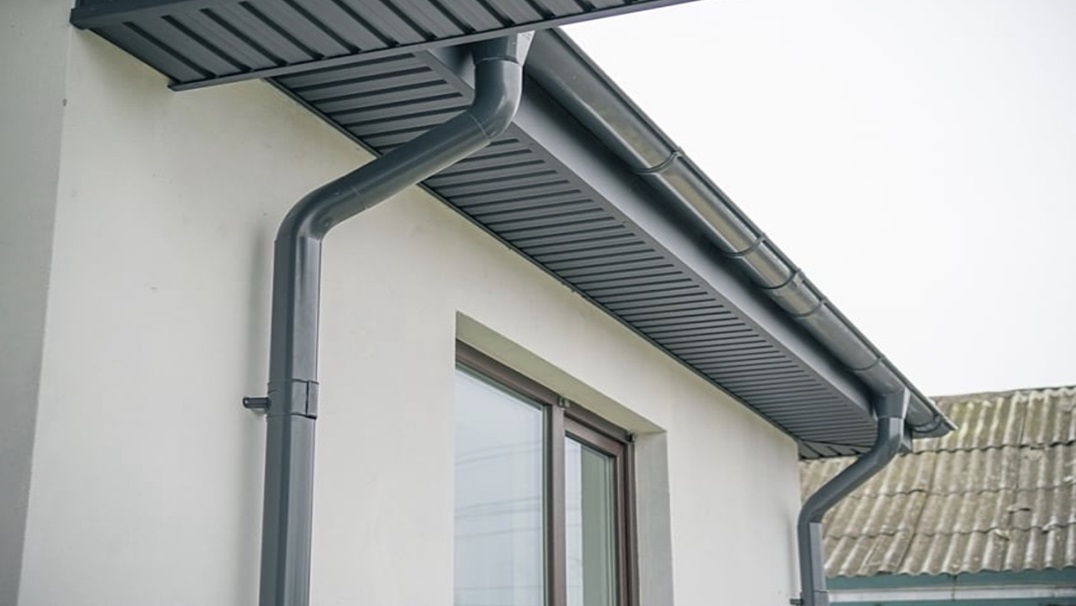
Aluminum gutters are lightweight, rust-resistant, and widely used in residential applications. They’re a practical choice for most homes and handle standard rainfall effectively.
Oversized Gutter Systems
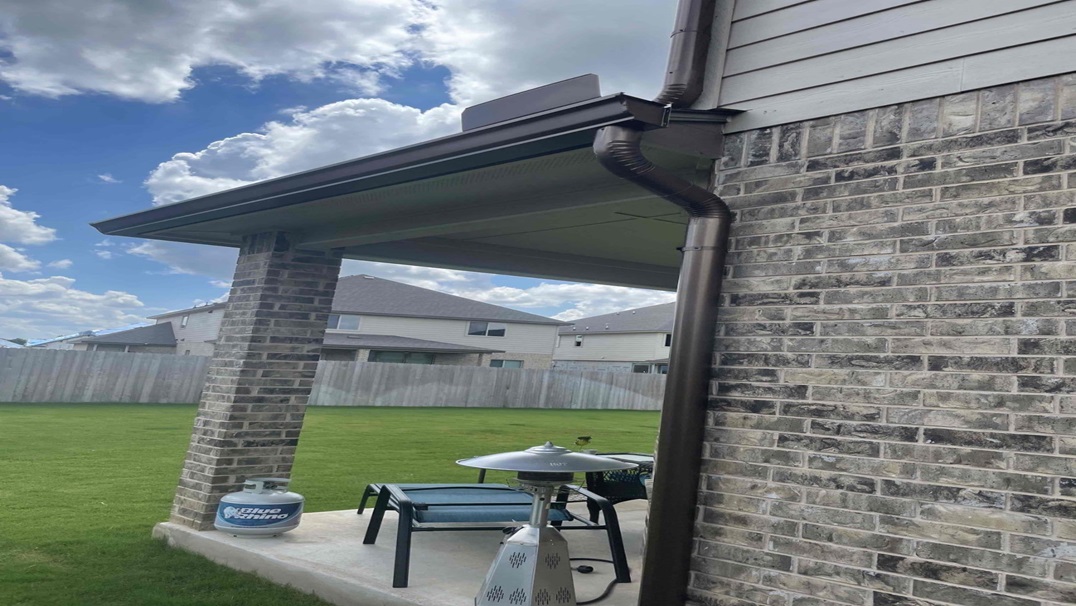
Oversized gutters are designed to manage higher volumes of water during intense rainfall. They’re best for larger roofs or homes in areas prone to heavy storms and rapid runoff.
Gutter Guards
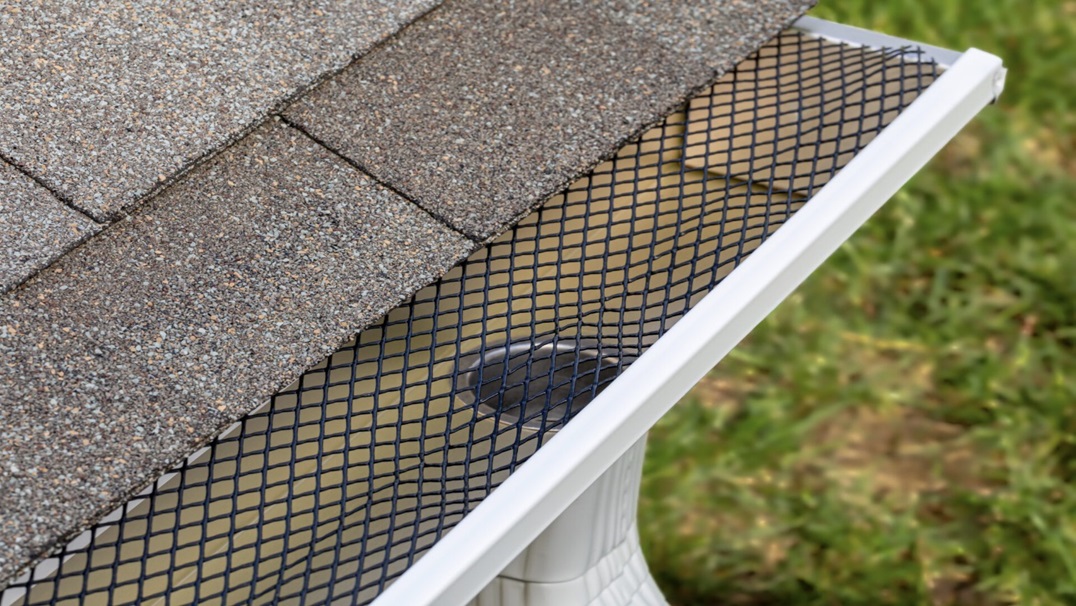
Gutter guards help reduce debris buildup and clogging. They’re ideal for homes surrounded by trees or homeowners looking to minimize gutter maintenance.
Gutter Material Cost, Pros & Cons
Gutter material costs vary based on system size, capacity, and additional features like guards or oversized profiles. While some options prioritize affordability, others focus on long-term durability and reduced maintenance. Understanding the tradeoffs between cost, performance, and upkeep helps homeowners choose a gutter system that protects their home without unnecessary expense.
Seamless Aluminum Gutters
Pros:
• Lightweight and rust-resistant
• Affordable
• Common residential choice
Cons:
• Can dent from ladders or debris
Oversized Gutter Systems
Pros:
• Handles heavy rainfall
• Reduces overflow risk
Cons:
• Higher installation cost
• More visible from ground level
Gutter Guards
Pros:
• Reduce debris buildup
• Lower maintenance
Cons:
• Not maintenance-free
• Added cost
How We Help You Choose (Gutters)
We evaluate roof size, rainfall patterns, and debris exposure to recommend gutter systems that protect your home without unnecessary upgrades. The right gutter system only works when it’s installed and sized correctly. Learn more about our gutter installation and drainage services designed for heavy Kentucky and Tennessee rainfall.
Licensed & insured • Local crews • No-pressure inspections
Do oversized gutters make a difference?
Yes. They handle higher water volume during heavy storms common in KY and TN.
Are gutter guards worth it?
They reduce maintenance but still require periodic inspection.
Have more questions about gutter systems?
Visit our full Gutter FAQs page.
Window Materials
Window materials influence energy efficiency, storm protection, and indoor comfort. Selecting the right window system helps regulate temperature, reduce noise, and protect against severe weather.
Common Window Materials Options
Window materials impact energy efficiency, comfort, and overall appearance. While the materials below are common choices, window recommendations often depend on insulation goals, frame style, and budget considerations. We help homeowners explore all suitable options before making a final decision
Double-Pane Windows
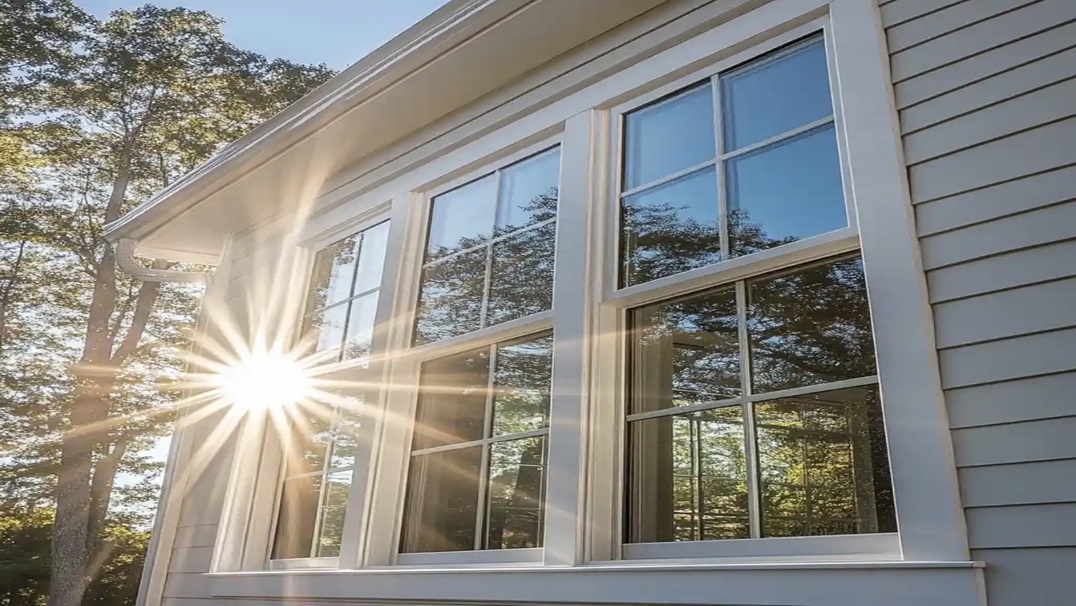
Double-pane windows provide improved insulation over single-pane options and are a cost-effective upgrade for most homes. They work well for enhancing comfort and energy efficiency.
Triple-Pane Windows
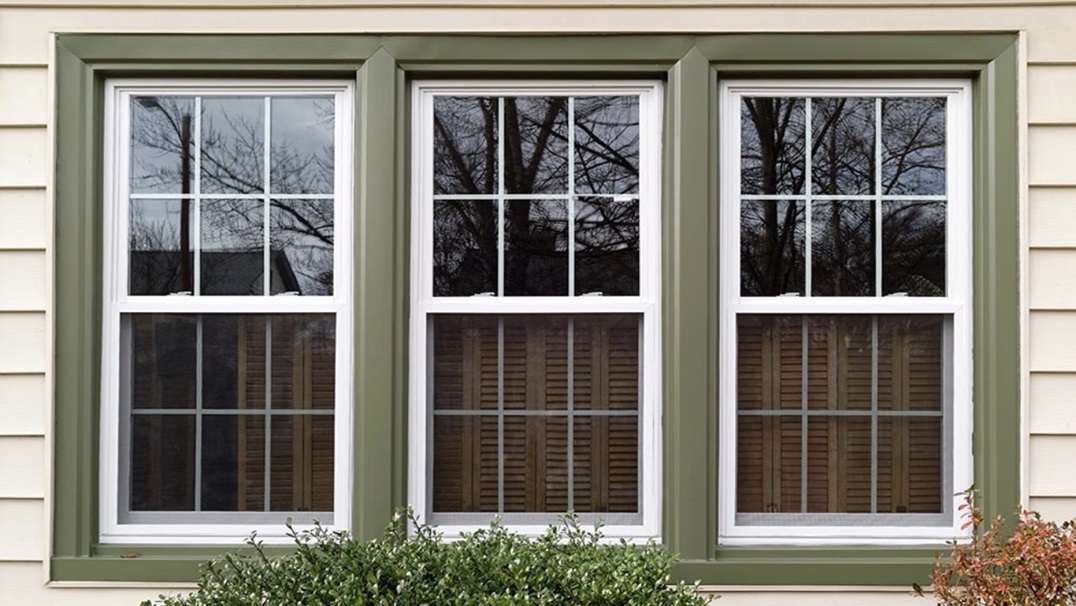
Triple-pane windows offer enhanced insulation and noise reduction. They’re best suited for homeowners prioritizing energy savings and indoor comfort year-round.
Impact-Rated Windows
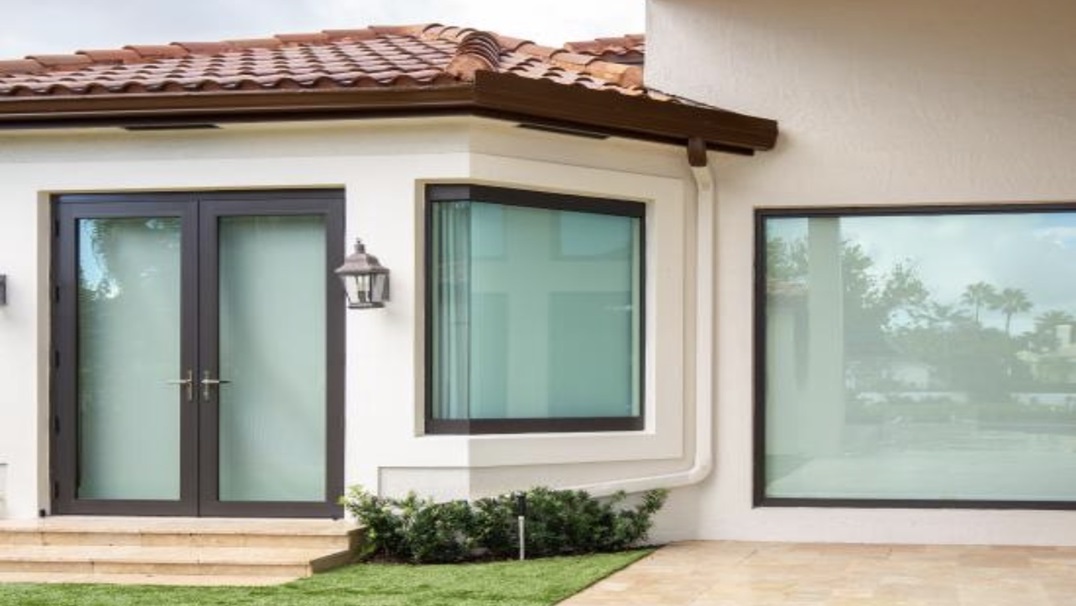
Impact-rated windows are built to withstand wind-driven debris and severe storms. They’re ideal for storm-exposed homes and add an extra layer of safety and security.
Window Material Cost, Pros & Cons
Window materials affect energy efficiency, storm protection, and interior comfort. The right option helps regulate temperature and reduce exterior noise.
Double-Pane Windows
Pros:
• Improved insulation
• Affordable upgrade
Cons:
• Less efficient than premium options
Triple-Pane Windows
Pros:
• Superior insulation
• Noise reduction
Cons:
• Higher cost
• Heavier frames
Impact-Rated Windows
Pros:
• Storm and debris resistant
• Enhanced security
Cons:
• Premium pricing
How We Help You Choose (Windows)
We assess energy efficiency goals, storm exposure, and budget to help you choose windows that improve comfort and protection. After selecting the right window materials, professional installation ensures performance and efficiency. View our window replacement and exterior upgrade services to learn more.
Licensed & insured • Local crews • No-pressure inspections
Are impact windows required in Kentucky or Tennessee?
Not required, but recommended in high-wind or storm-prone areas.
Do new windows really lower energy bills?
Yes. Properly selected windows can significantly reduce heating and cooling costs.
Have more questions about window materials?
Visit our full Window FAQs page.
Materials Built for Kentucky & Tennessee Storm Conditions
Homes across Kentucky and Tennessee face high winds, hails, heavy rain, and seasonal temperature swings. We recommend materials proven to perform in regional storm conditions while meeting local building standards. Not sure which exterior service you need? Visit our full exterior services page to explore roofing, siding, gutters, windows, and storm damage solutions.
Serving Kentucky & Tennessee
Not Sure Which Material is Right for you?
Every home is different. Our inspections help determine the best materials based on your structure, location, and budget.